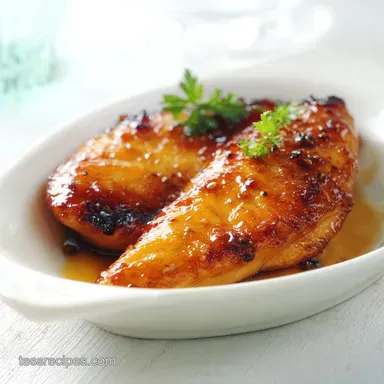
Easy Honey Garlic Chicken Breast Recipe: Sticky and Rich
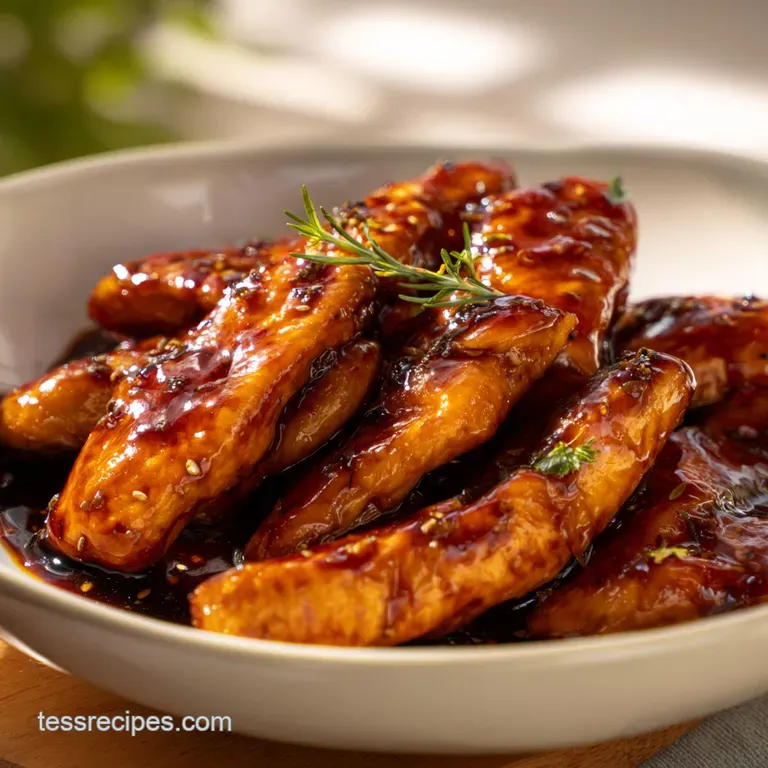
- Time: 10 min prep + 10 min cook = Total 20 mins
- Flavor/Texture Hook: Velvety, sticky glaze with a shatter crisp sear
- Perfect for: Fast weeknight dinners and budget-friendly meal prep
- The Secret to That Sticky Glaze
- Ingredient Component Analysis
- Gathering Your Essentials
- Essential Tools for Success
- From Prep to Plate
- Troubleshooting Guide
- Adjusting Your Batch Size
- Common Cooking Misconceptions
- Storage and Zero Waste
- Serving Suggestions
- Critical Sodium Levels
- Recipe FAQs
- 📝 Recipe Card
That first loud sizzle when the chicken hits the hot oil is everything. You know that smell, where the honey starts to bubble and the garlic hits that sweet spot between raw and toasted? It fills the whole kitchen in about three minutes, and honestly, it's the best part of my Tuesday nights.
I used to treat chicken breasts like they were all the same, just tossing them in the pan whole. I'd end up with edges that were practically charcoal while the middle was still barely warm. It was a frustrating cycle of "is it done yet?" until I realized the problem wasn't my heat, it was the shape of the meat.
Once I started pounding them flat, everything changed.
Now, this is my go to when I've had a long day and have zero patience but still want something that tastes rich and hearty. It's the kind of meal that makes your house smell like a professional kitchen without requiring any fancy gear or a massive grocery bill.
This Easy Honey Garlic Chicken Breast Recipe is all about working smarter, not harder, to get that glossy, restaurant style finish.
The Secret to That Sticky Glaze
You don't need a degree in food science to get this right, but a few little things are happening in the pan that make this work. I've spent way too much time wondering why some sauces stay watery while others cling to the meat like a blanket.
- Even Thickness
- Pounding the chicken ensures every square inch hits the pan at the same time, so you get a consistent crust without drying out the center.
- The Glaze Bond
- Honey and soy sauce create a thick syrup that clings to the seared proteins, which is why we sear the meat first.
- Starch Stability
- The cornstarch slurry creates a web that traps the liquids, turning a thin sauce into a velvety coating.
- Acid Balance
- Rice vinegar cuts through the heavy sweetness of the honey, preventing the dish from tasting like candy.
| Method | Time | Texture | Best For |
|---|---|---|---|
| Stovetop | 20 mins | Shatter crisp edges, glossy glaze | Quick weeknights |
| Oven | 30 mins | Tender, more uniform, less crust | Larger batches |
Ingredient Component Analysis
I've tried making this with "healthy" swaps, but trust me, don't bother with low-fat soy or honey alternatives. You lose the viscosity that makes the sauce stick.
| Ingredient | Science Role | Pro Secret |
|---|---|---|
| Honey | Thickener & Sweetener | Use a liquid honey for faster blending |
| Soy Sauce | Salt & Color | Use low sodium to control the salt levels |
| Rice Vinegar | Flavor Balancer | Adds the "tang" that mimics takeout |
| Cornstarch | Texture Modifier | Always mix with cold water first to avoid lumps |
Gathering Your Essentials
Keeping the grocery list short is part of the fun. Most of this stuff is probably already sitting in your pantry. If you're looking to save a few bucks, store brand honey and soy sauce work just as well as the name brands here.
For the Chicken
- 1.5 lb boneless skinless chicken breastsWhy this? Lean protein that absorbs the glaze perfectly
- 0.5 tsp saltWhy this? Essential for drawing out moisture for a better sear
- 0.5 tsp black pepperWhy this? Adds a subtle heat to balance the honey
- 2 tbsp neutral oilWhy this? High smoke point prevents burning (use canola or vegetable)
For the Sticky Glaze
- 1/3 cup honeyWhy this? Provides the signature stickiness and sweetness
- 3 tbsp soy sauceWhy this? Adds deep umami and that mahogany color
- 3 cloves garlic, mincedWhy this? Fresh garlic provides a pungent, aromatic base
- 1 tbsp rice vinegarWhy this? Brightens the sauce and cuts the sugar
- 1 tsp cornstarchWhy this? The key to that velvety, thick consistency
- 1 tbsp cold waterWhy this? Prevents cornstarch from clumping
Essential Tools for Success
You don't need a professional kitchen for this. A heavy skillet is your best friend here. I prefer cast iron because it holds heat so well, but a good non stick pan works if you're worried about the honey sticking.
I also recommend using parchment paper when pounding the chicken. It keeps the meat from tearing and saves you from having to scrub raw chicken juices off your cutting board. If you have a meat mallet, great, but a heavy skillet or a rolling pin works just as well.
From Prep to Plate
Right then, let's get into the actual cooking. The key is timing, especially with the garlic, which can go from "fragrant" to "burnt and bitter" in about ten seconds.
Phase 1: Prepping for Precision
- Slice the chicken breasts horizontally to create four thinner cutlets. Note: This ensures they cook fast and evenly.
- Place the cutlets between two sheets of parchment paper and gently pound them to an even 1/2 inch thickness.
- Season both sides generously with salt and pepper. Note: Do this right before cooking so the salt doesn't draw out too much moisture.
Phase 2: Achieving the Golden Sear
- Heat oil in a large non stick or cast iron skillet over medium high heat until it shimmers.
- Add the chicken breasts and sear for 3–5 minutes per side until a deep golden brown crust forms.
- Remove chicken to a plate momentarily. Note: Letting them rest for a minute prevents overcooking while you make the sauce.
Phase 3: The Glaze Reduction
- Reduce heat to medium. Pour in the honey, soy sauce, rice vinegar, and minced garlic.
- Simmer for 1–2 minutes until the garlic is fragrant and the sauce begins to bubble.
- Whisk the cornstarch and cold water together to create a slurry, then stir it into the simmering sauce.
- Whisk constantly for 30 seconds until the sauce thickens into a velvety glaze.
- Return the chicken to the pan, tossing to coat thoroughly until the meat is mahogany colored and sticky.
Chef's Tip: If you want a deeper flavor, add a tiny pinch of red pepper flakes or a splash of Worcestershire sauce. It doesn't change the recipe much, but it adds a layer of complexity.
Troubleshooting Guide
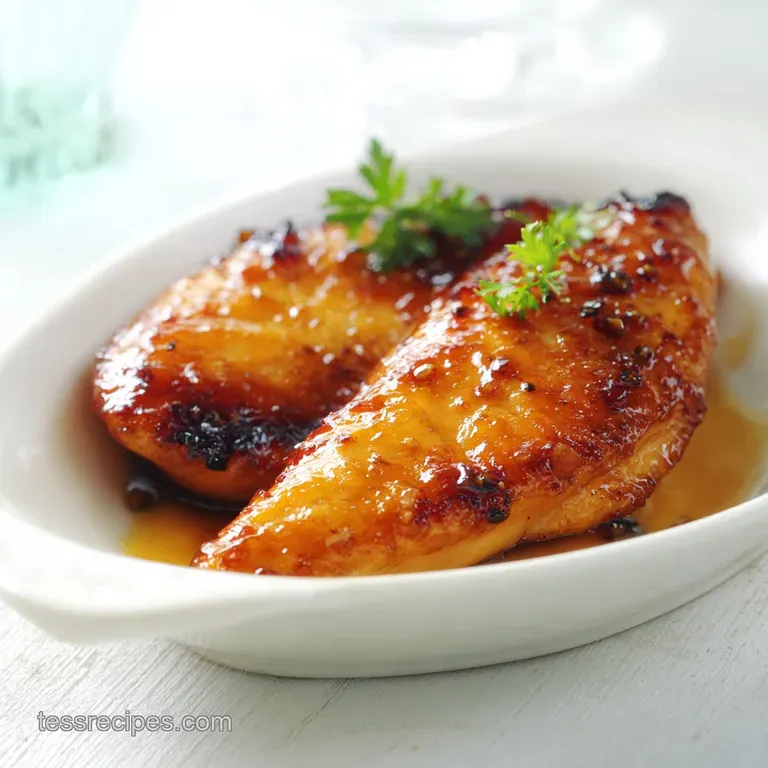
Even the best of us have days where the sauce is too thin or the chicken is a bit dry. It's usually just a matter of heat management.
| Issue | Solution |
|---|---|
| Why Your Sauce Stays Watery | If the glaze isn't clinging to the chicken, you likely didn't let the cornstarch slurry simmer long enough. Cornstarch needs to reach a certain temperature to "activate" and thicken. Just keep it on t |
| Why Your Garlic Tastes Bitter | This happens when the garlic burns before the other liquids are added. To avoid this, make sure your pan isn't screaming hot when you pour in the honey and soy sauce. The liquids will immediately drop |
| Why Your Chicken is Dry | Usually, this is due to overcooking. Because we've pounded the meat thin, it cooks incredibly fast. According to USDA food safety guidelines, chicken is safe at 165°F, but |
Common Mistakes Checklist
- ✓ Did you pound the chicken to an even thickness?
- ✓ Did you wait for the oil to shimmer before searing?
- ✓ Did you mix the cornstarch with cold water first?
- ✓ Did you remove the chicken before adding the sauce?
- ✓ Did you let the sauce bubble for 30 seconds after adding the slurry?
Adjusting Your Batch Size
This Easy Honey Garlic Chicken Breast Recipe is designed for four, but it's easy to tweak.
Scaling Down (2 Servings) Use 0.75 lb of chicken and halve the sauce ingredients. Use a smaller pan so the sauce doesn't spread out too thin and evaporate too quickly. Reduce your sear time by about 20% since there's less meat in the pan.
Scaling Up (8 Servings) Don't try to crowd all the chicken into one pan, or you'll steam the meat instead of searing it. Work in batches. For the sauce, increase the liquids but only increase the salt and spices to 1.5x to avoid it becoming overly salty.
Decision Shortcut
- If you want a spicy kick, add sriracha to the glaze.
- If you want a nuttier flavor, garnish with toasted sesame seeds.
- If you're in a rush, use pre cut chicken tenders instead of breasts.
Common Cooking Misconceptions
I see a lot of people saying you need to "seal in the juices" by searing meat on high heat. Honestly, that's a myth. Searing doesn't create a waterproof seal, but it does create a crust that tastes incredible. The juices leave the meat regardless, but the flavor you get from that brown crust is worth it.
Another one is that you have to use expensive organic honey for a better glaze. In reality, any standard clover honey works perfectly because we're balancing it with salty soy and acidic vinegar. The texture is what matters most, not the brand.
Storage and Zero Waste
If you have leftovers, they stay great in the fridge for up to 3 days. Store them in an airtight container. When you reheat them, do it slowly in a pan with a splash of water to loosen the glaze, or in the microwave with a damp paper towel over the top to keep the chicken from drying out.
You can freeze the cooked chicken in the sauce for up to 2 months. Just thaw it in the fridge overnight before reheating.
For zero waste, don't toss the leftover glaze in the pan. If there's a bit left over, it's brilliant stirred into some steamed broccoli or tossed with some noodles. If you have leftover rice from the meal, you can use it the next day to make a quick stir fry, similar to my BBQ Chicken Sausage Rice for a hearty lunch.
Serving Suggestions
The beauty of this dish is how versatile it is. I usually serve it over a bed of fluffy jasmine rice or quinoa to soak up every drop of that mahogany glaze. If you want something lighter, steamed snap peas or roasted carrots provide a great crunch.
For a more filling meal, I love serving this with some toasted Easy French Bread on the side to mop up the extra sauce. It turns a simple weeknight dinner into something that feels a bit more special.
If you're feeling fancy, garnish the plate with sliced green onions and a sprinkle of sesame seeds. It adds a pop of color and a bit of fresh onion flavor that cuts through the richness of the honey. Trust me, those little additions make the whole plate look like it came from a bistro.
Critical Sodium Levels
1370 mg 1,370 mg of sodium per serving (60% 60% of daily value)
The American Heart Association recommends a daily limit of 2,300mg, though an ideal limit for most adults is 1,500mg to help manage blood pressure.
Tips to Reduce Sodium
-
Swap Soy Sauce-30%
Replace regular soy sauce with low-sodium soy sauce or coconut aminos to significantly reduce the primary sodium source.
-
Omit Added Salt-25%
Remove the 0.5 tsp of salt used for seasoning the chicken, as the soy sauce provides ample salinity.
-
Enhance with Acidity-10%
Add an extra teaspoon of rice vinegar or a squeeze of fresh lime juice to mimic the 'bite' of salt.
-
Add Fresh Aromatics
Incorporate freshly grated ginger or red pepper flakes to add complexity and heat without adding any sodium.
Recipe FAQs
How to make honey and garlic chicken breast?
Slice breasts horizontally and pound to 1/2 inch thickness. Sear the meat in oil, simmer the honey, soy, vinegar, and garlic sauce, then thicken with a cornstarch slurry and toss to coat.
What's the secret to juicy Honey Garlic Chicken?
Pound the meat to an even thickness. Ensuring the chicken is exactly 1/2 inch thick prevents the outer edges from overcooking and drying out before the center is done.
Can a diabetic eat this honey garlic chicken?
No, because of the honey. Honey is a concentrated sugar that can spike blood glucose levels, making this specific glaze unsuitable for most diabetic diets.
How to make simple honey chicken?
Sear seasoned chicken cutlets in a hot skillet. Simmer honey, soy sauce, rice vinegar, and garlic, then whisk in a cornstarch and water slurry to create a velvety glaze.
Why is my honey garlic sauce too thin?
Simmer the cornstarch slurry longer. The mixture must reach a specific temperature to activate the thickening properties of the cornstarch.
Why does the garlic taste bitter in this recipe?
Lower the heat before adding the garlic. If the pan remains at searing temperature, the garlic burns instantly, creating a bitter flavor instead of a fragrant one.
What are the best sides for honey garlic chicken?
Serve with steamed broccoli or white rice. If you need another fast dinner idea, this creamy casserole is also ready in 30 minutes.
Honey Garlic Chicken Breast