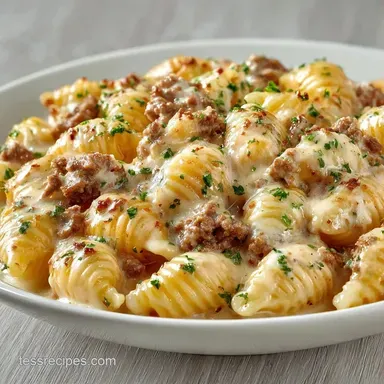
One Pot Creamy Beef and Shells: Savory and Rich
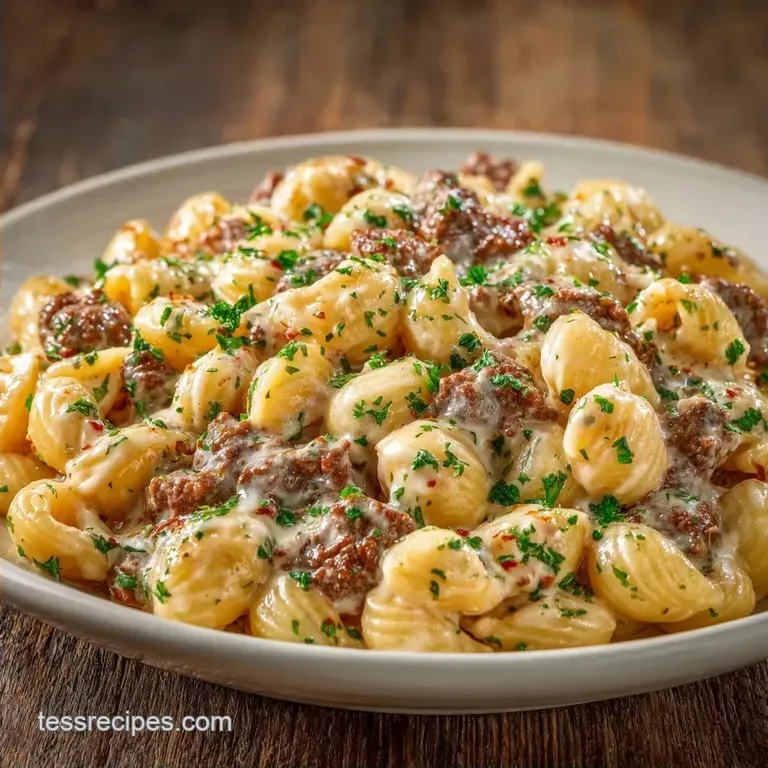
- Time: 10 min active + 20 min cook
- Flavor/Texture Hook: Velvety, savory, and comforting
- Perfect for: Weeknight family dinner
That first sizzle when the ground beef hits the hot oil is the sound of a house coming alive. You know the smell, right? That deep, savory aroma that fills every corner of the kitchen and tells everyone it's time to wash their hands.
For me, this is the ultimate comfort, reminding me of rainy Tuesday nights and the warmth of a crowded table.
But let's be real, we've all been there with the "separated sauce" disaster. You follow a recipe, but suddenly the fat separates from the cream, and you're left with an oily slick on top of your pasta. It's frustrating and makes the dish feel heavy instead of cozy.
I used to struggle with that until I realized the secret isn't more cheese, but how you handle the starch and the temperature.
This version of Creamy Beef and Shells solves that by cooking the pasta directly in the beef broth and tomato base. By doing this, we trap the natural starches from the shells, which act as a bridge between the fat and the liquid. The result is a sauce that clings to every single shell, creating a velvety texture that feels like a hug in a bowl.
Heartwarming Creamy Beef and Shells
The real magic happens when the smoked paprika hits the tomato paste. It creates this earthy, slightly sweet scent that transforms a simple ground beef meal into something that tastes like it simmered for hours.
It's a classic approach that brings a sense of tradition to the table, making it more than just a quick fix for dinner.
I love how this dish evolves as it cooks. You start with the sharp scent of sautéing onions and garlic, then move into the rich, acidic punch of the tomato, and finally finish with the mellow, milky fragrance of melting cream cheese.
It's a sensory experience that prepares your appetite long before the first bite.
Trust me, don't skip the browning phase. If you just grey the meat, you lose the depth of flavor. We want that mahogany color because that's where the love is. It's the difference between a bland meal and a heartwarming tradition that your family will ask for every single week.
What Makes It Creamy
Rather than using a roux or heavy cream, we rely on a few simple tricks to get that silky mouthfeel without the heaviness.
- Starch Binding: Cooking pasta shells in the liquid releases amylose, which naturally thickens the sauce. This prevents the "watery" effect common in boiled then mixed pastas.
- Fat Stabilization: Cream cheese contains stabilizers that help keep the fats and liquids emulsified. This is why we add it at the very end on low heat to prevent splitting.
- Fond Integration: Those brown bits stuck to the pan are flavor gold. Deglazing with beef broth incorporates those caramelized proteins back into the sauce for a richer taste.
- Temperature Control: By dropping the heat before adding the dairy, we ensure the proteins in the cheese don't tighten and clump.
| Method | Time | Texture | Best For |
|---|---|---|---|
| Stovetop | 30 mins | Silky & Integrated | Weeknight comfort |
| Oven Baked | 50 mins | Crusty & Cheesy | Sunday family feast |
It's interesting to note that the stovetop version is far superior for achieving that specific velvety consistency. When you bake it, the liquid evaporates faster, which can lead to a thicker, more casserole like feel rather than a creamy sauce.
Component Analysis
Understanding how each ingredient contributes to the final result helps you make better choices in the kitchen. According to Serious Eats, the way we brown meat fundamentally changes the flavor profile of the entire dish.
| Ingredient | Science Role | Pro Secret |
|---|---|---|
| Ground Beef | Protein Base | Brown until mahogany for deep umami |
| Tomato Paste | Acid/Thickener | Toast it for 2 mins to remove "raw" tin taste |
| Cream Cheese | Emulsifier | Cube it small for faster, smoother melting |
| Pasta Shells | Structure | The "scoop" shape holds more sauce per bite |
The choice of medium shells is very intentional here. Because they are hollow, they act like little bowls, capturing the beef and the cream cheese sauce inside. If you used spaghetti, the sauce would just slide off, and you'd lose that concentrated burst of flavor in every mouthful.
What You'll Need
For the savory base, we start with the essentials. I always suggest using a lean beef to avoid having to drain too much fat, which can take away some of the flavor.
- 1 lb lean ground beef Why this? Less grease means a cleaner sauce
- 1 medium yellow onion, finely diced Why this? Provides a sweet, aromatic foundation
- 3 cloves garlic, minced Why this? Essential for that classic savory punch
- 1 tbsp olive oil Why this? High smoke point for browning beef
- 1 tsp salt Why this? Enhances all other flavors
- ½ tsp black pepper Why this? Adds a subtle, woody heat
For the creamy sauce and pasta, we need ingredients that bring both richness and acidity to balance the beef.
- 8 oz medium pasta shells Why this? Best shape for sauce retention
- 2 cups beef broth, low sodium Why this? Controls salt while adding depth
- 1 cup tomato sauce Why this? Adds body and a bright red color
- 2 tbsp tomato paste Why this? Concentrated umami and color
- 4 oz cream cheese, softened and cubed Why this? Creates the velvety finish
For the finishing touches, these small additions make the dish feel complete and professional.
- 1 tsp Italian seasoning Why this? Blend of herbs for classic flavor
- ½ tsp smoked paprika Why this? Adds a hint of wood fire aroma
- ¼ cup fresh parsley, chopped Why this? Freshness to cut through the richness
- ¼ cup grated Parmesan cheese Why this? Salty, sharp finish
| Original Ingredient | Substitute | Why It Works |
|---|---|---|
| Cream Cheese (4 oz) | Mascarpone (4 oz) | Even creamier and slightly sweeter. Note: Thicker consistency |
| Beef Broth (2 cups) | Chicken Broth (2 cups) | Lighter flavor, still provides necessary liquid. Note: Less "beefy" depth |
| Medium Shells (8 oz) | Rotini (8 oz) | Great spirals for holding sauce. Note: Slightly different mouthfeel |
| Lean Ground Beef (1 lb) | Ground Turkey (1 lb) | Leaner protein. Note: Needs more salt and paprika to match beef flavor |
If you find yourself missing a few things, don't panic. Most of these swaps work well, though I highly recommend sticking with the cream cheese for that specific signature texture. If you're looking for other ways to use ground beef, you might enjoy a cheap ground beef dinner for those tight budget nights.
Bringing It Together
Let's crack on with the cooking. Keep your heat steady and look for those sensory cues to know when to move to the next step.
- Heat olive oil over medium high heat. Add the ground beef, breaking it into small crumbles with a spoon. Cook 7-10 mins until the beef is browned and mahogany colored. Note: Don't crowd the pan or the meat will steam instead of sear
- Stir in the diced onions and cook for 3-4 minutes until they look translucent and soft, then add the minced garlic for 60 seconds until it smells fragrant.
- Stir in the tomato paste, Italian seasoning, and smoked paprika. Toast the paste with the meat for 2 minutes until the color deepens to a dark brick red.
- Pour in the beef broth and tomato sauce, scraping the bottom of the pot with a wooden spoon until all the brown bits (fond) are dissolved into the liquid.
- Add the dry pasta shells. Bring the mixture to a gentle boil, then reduce heat to medium low. Cover with a lid and simmer for 10-12 minutes, stirring occasionally, until shells are tender but still have a slight bite.
- Turn heat to low. Stir in the cubed cream cheese, whisking gently until completely melted and integrated into a smooth sauce.
- Fold in the Parmesan cheese and remove from heat immediately. Note: Overheating the cheese can cause it to grain
- Garnish with chopped fresh parsley before serving.
Chef's Tip: If the sauce looks a bit too thick after adding the cheese, stir in a tablespoon of warm water or extra broth. It brings back that glossy, restaurant style shine.
Common Mistakes & Troubleshooting
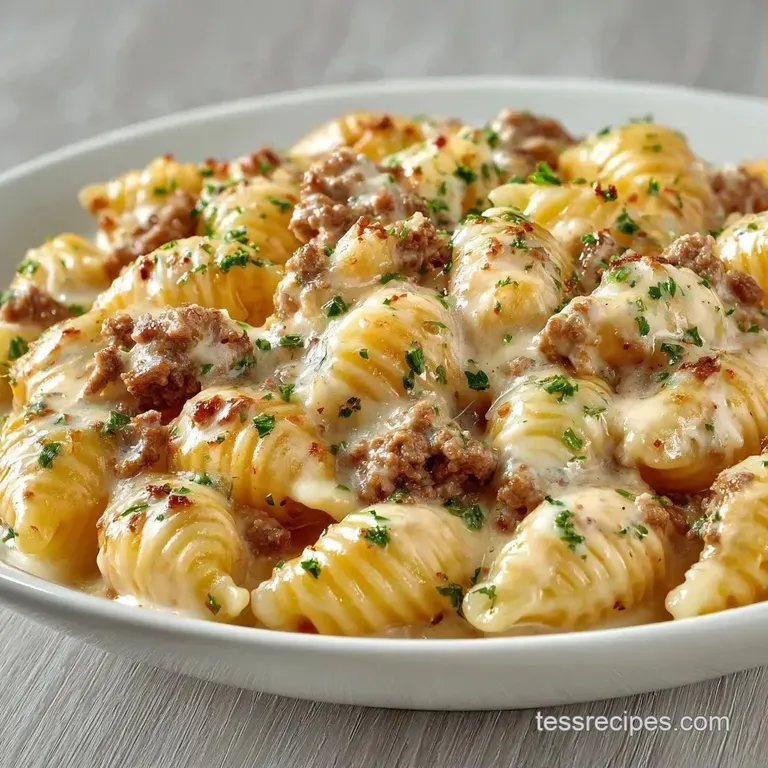
Even the best of us hit a snag. The most common issue with Creamy Beef and Shells is the texture of the sauce or the pasta.
| Issue | Solution |
|---|---|
| Sauce too thin | This usually happens if the broth didn't reduce enough or if the pasta didn't release enough starch. If it feels like a soup, just simmer it uncovered for another 3-5 minutes before adding the cheese. |
| Why did my pasta turn out mushy | Overcooking is the culprit here. Since we're simmering the shells in the sauce, they absorb flavor and liquid faster than in plain water. |
| Why is the beef gray instead of brown | This happens when the pan isn't hot enough or you added too much meat at once, causing the temperature to drop. The meat releases juices and boils in its own liquid rather than searing. |
To make sure your next batch is flawless, keep this checklist in mind while you're at the stove:
- ✓ Pat the beef dry with a paper towel before adding to the pan for a better sear.
- ✓ Ensure the cream cheese is truly softened before it hits the pot.
- ✓ Use a lid during the simmer to keep the heat consistent.
- ✓ Stir occasionally to prevent the shells from sticking to the bottom.
- ✓ Remove from heat as soon as the Parmesan is folded in.
Adjusting the Portion Size
When you're cooking for a crowd or just for yourself, scaling a one pot meal requires a few tweaks to ensure the liquid ratios stay correct.
If you're cutting the recipe in half, use a smaller skillet or a 2 quart pot. Reduce the simmering time by about 20%, as a smaller volume of liquid heats and evaporates faster. For the garlic and spices, you can usually just halve them, but keep a close eye on the salt.
When doubling or tripling the recipe for a big family gathering, don't just double the salt and spices. Start with 1.5x the seasoning, then taste and adjust at the end. Liquids should be reduced by about 10% because a larger pot retains more steam, meaning less evaporation occurs during the simmer.
| Servings | Beef Amount | Broth Amount | Shells Amount |
|---|---|---|---|
| 2-3 (Half) | 0.5 lb | 1 cup | 4 oz |
| 4-5 (Original) | 1 lb | 2 cups | 8 oz |
| 8-10 (Double) | 2 lb | 3.5 cups | 16 oz |
If you enjoy these types of hearty, beef based meals, you might also like my ground beef and gravy recipe. Both share that same comforting, rich profile that makes a house feel like a home.
Kitchen Folklore
There are a few things people always say about ground beef and pasta that aren't actually true. Let's set the record straight.
Searing meat does not "seal in juices." This is a huge misconception. Moisture loss happens regardless of how you brown the meat. The reason we sear is for the flavor created by the browning process, which adds a complex, savory dimension that raw or steamed meat just can't match.
Some believe you must salt the pasta water separately. In this recipe, we don't use separate water, and that's actually better. By cooking the shells in a seasoned broth, the salt and flavor penetrate the pasta from the inside out, rather than just sitting on the surface.
Storage Guidelines
To keep your leftovers tasting fresh, store them in an airtight container in the fridge for up to 4 days. You'll notice that the pasta absorbs more sauce as it sits, which is normal.
For freezing, this dish holds up surprisingly well for up to 3 months. However, dairy can sometimes separate when frozen. To fix this, thaw the portion in the fridge overnight, then reheat slowly on the stovetop with a splash of milk or broth to bring the creaminess back.
Regarding zero waste, don't throw away those onion skins or the ends of the garlic. I keep a bag in the freezer for vegetable scraps, which I then boil down into a homemade stock for future recipes. It's a simple way to add more depth to your cooking without spending extra money.
Presentation Tips
Since this is a rustic, heartwarming dish, you don't need anything fancy. I love serving it in wide, shallow bowls that allow the sauce to spread out, making it look generous and inviting.
The contrast of colors is key. The deep red orange of the sauce looks stunning against the bright green of fresh parsley. Don't be shy with the garnish; it adds a pop of color and a fresh scent that cuts through the richness of the cream cheese.
If you want to be a bit more indulgent, serve it with a side of crusty garlic bread. The bread is perfect for mopping up every last bit of that velvety sauce from the bottom of the bowl. A simple sprinkle of extra Parmesan on top right before serving adds a professional touch that makes the meal feel special.
High in Sodium
980 mg 980 mg of sodium per serving (43% 43% of daily value)
The American Heart Association recommends that most adults limit their sodium intake to no more than 2,300 mg per day.
Tips to Reduce Sodium
-
Swap the Broth-30%
Replace the low sodium beef broth with homemade unsalted beef stock or water to significantly cut salt content.
-
Eliminate Added Salt-25%
Completely omit the 1 tsp of salt; the broth and cheeses already provide enough sodium to season the dish.
-
Use No-Salt Added Tomato-20%
Substitute the tomato sauce and tomato paste with no-salt added versions to avoid hidden sodium.
-
Reduce the Cheese-15%
Decrease the amount of Parmesan cheese used for topping or substitute it with a small amount of nutritional yeast.
-
Boost Natural Aromatics
Increase the fresh parsley and Italian seasoning to add depth and flavor without adding any sodium.
Recipe FAQs
What is a quick dinner I can make with ground beef?
Creamy Beef and Shells is an ideal choice. This one-pot meal is hearty, satisfying, and ready in just 30 minutes total.
How do I make creamy beef and shells?
Brown the ground beef in olive oil, then sauté onions and garlic. Stir in tomato paste and seasonings, add broth and sauce, and simmer shells for 10-12 minutes before folding in cream cheese and Parmesan.
Is cream cheese necessary for the sauce?
Yes, it provides the signature velvety texture. Stirring in cubed, softened cream cheese at the end ensures the sauce is rich and well integrated.
Is this one-pot recipe actually flavorful?
Yes, the depth comes from searing the beef and toasting the tomato paste. Scraping the browned fond from the bottom of the pot creates a savory base that makes the dish taste professional.
Why is my sauce too thin?
Simmer the mixture uncovered for an additional 3-5 minutes. This allows the beef broth to reduce and the pasta to release more starch, thickening the sauce before the cheese is added.
How do I stop the shells from getting mushy?
Simmer the pasta for exactly 10-12 minutes. Because the shells cook directly in the sauce, they absorb liquid faster than they would in plain water and overcook quickly.
Can I freeze the leftovers?
Yes, store them in an airtight container for up to 3 months. Thaw overnight and reheat slowly on the stovetop with a splash of beef broth to restore the creaminess. If you enjoy this style of comfort food, you'll love our creamy dinner.
Creamy Beef and Shells in 30 Minutes