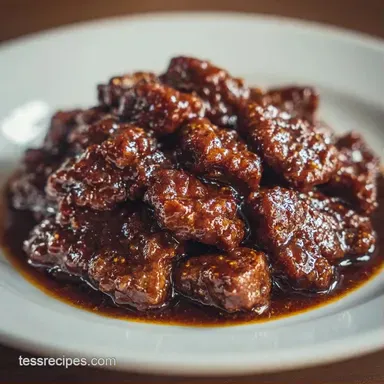
Ground Beef and Gravy: Failure-Proof

- Time:10 minutes active + 20 minutes cooking
- Flavor/Texture Hook: Savory, velvety, and deeply rich
- Perfect for: Busy weeknights or budget-friendly comfort food
The sound of lean beef hitting a screaming hot skillet - that first loud sizzle - is where the magic starts. For me, this dish is the ultimate "rainy Tuesday" meal. I remember one particular October night when I was exhausted, the house was freezing, and I had nothing in the fridge but a pound of beef and some broth.
I didn't want something fancy, just something that felt like a hug in a bowl.
That night, I realized that the secret isn't in expensive ingredients, but in how you handle the beef. If you just grey the meat in the pan, you get a bland, watery sauce. But if you let it get that deep, mahogany crust, you're building a foundation of flavor that makes the final result taste like it simmered for hours. This Ground Beef and Gravy is exactly that: a fast, reliable dinner that doesn't taste "fast."
You can expect a sauce that is thick enough to coat a spoon but silky enough to melt into mashed potatoes. It's a simple process, but we've got a few specific tricks to make sure you don't end up with floury lumps or a greasy film on top. Let's get into it.
Ground Beef and Gravy
The reason this recipe tastes so rich is all about how we manage the heat and the thickening agent. We aren't just adding liquid to meat; we're creating a structured sauce.
The Brown Bit Effect: Searing the beef until it's dark brown creates tiny caramelized particles on the pan. These particles dissolve into the broth, giving the sauce a deep color and a savory punch.
The Flour Toast: Stirring the flour into the beef fat for two minutes removes the "raw" taste. This ensures your sauce tastes like beef, not like a paste.
The Slow Pour: Adding broth gradually allows the flour to hydrate evenly. This prevents those annoying little dough balls from forming in your gravy.
The Butter Finish: Adding butter at the start creates a richer base for the roux. According to Serious Eats, a fat based thickener provides a more stable and smoother mouthfeel than a cornstarch slurry.
| Method | Time | Texture | Best For |
|---|---|---|---|
| Stovetop | 30 mins | Velvety & Glossy | Quick weeknight meals |
| Oven | 1 hour | Thick & Stew like | Set it and forget it |
Component Analysis
| Ingredient | Science Role | Pro Secret |
|---|---|---|
| Lean Ground Beef | Protein & Base Fat | Brown it hard before adding onions |
| All Purpose Flour | Thickening Agent | Toast it in the fat to remove raw flavor |
| Beef Broth | Liquid & Salt | Use low sodium to control the final taste |
Shopping List Breakdown
For the beef, I recommend 85% to 90% lean. If you go too fatty, the gravy becomes greasy; too lean, and you lose that rich flavor.
- 1 lb lean ground beef Why this? Provides the heartiness without excess grease (Substitute: Ground turkey - Note: Lighter flavor, requires extra butter)
- 1 medium yellow onion, finely diced Why this? Adds sweetness and aromatic depth (Substitute: White onion - Note: Sharper, more pungent taste)
- 3 cloves garlic, minced Why this? Essential savory punch (Substitute: 1 tsp garlic powder - Note: Less depth, more uniform flavor)
- 3 tbsp all purpose flour Why this? Standard thickener for a glossy finish (Substitute: Cornstarch - Note: Use 2 tbsp and mix with water first)
- 2 cups beef broth, low sodium Why this? Control over salt levels (Substitute: Water + beef bouillon - Note: Check salt levels carefully)
- 1 tbsp Worcestershire sauce Why this? Adds umami and acidity (Substitute: Soy sauce - Note: Saltier, slightly different profile)
- 2 tbsp unsalted butter Why this? Adds richness and helps the roux (Substitute: Olive oil - Note: Less creamy, more fruity)
- 1 tsp salt Why this? Basic seasoning (Substitute: Kosher salt - Note: Adjust quantity by volume)
- 1/2 tsp black pepper Why this? Subtle heat (Substitute: White pepper - Note: Milder, more earthy)
- 1/2 tsp dried thyme Why this? Earthy, herbal note (Substitute: Dried rosemary - Note: Use less, it's more potent)
Gear You'll Actually Use
You don't need a professional kitchen for this, just a few basics. A wide skillet is your best friend here because it allows moisture to evaporate faster, meaning your beef browns instead of steams.
I usually use a 12 inch cast iron or stainless steel pan. If you use non stick, you might lose some of those brown bits, but it still works. You'll also need a sturdy whisk or a wooden spoon to get the flour fully incorporated.
Step by step Cooking Flow
Right then, let's crack on with the actual cooking. Follow these steps closely, especially the timing on the flour.
- Brown the ground beef over medium high heat. Use your spoon to break it into small crumbles until it's mahogany brown. Note: Don't rush this; the color equals flavor.
- Add diced onions and minced garlic during the last 3 minutes of browning until translucent and fragrant.
- Sprinkle the flour evenly over the cooked beef and vegetables. Stir constantly for 2 minutes until the flour is toasted and loses its raw white appearance.
- Slowly pour in the beef broth while stirring vigorously. Do this in stages to prevent clumps.
- Stir in the Worcestershire sauce, salt, pepper, and dried thyme.
- Lower the heat to medium low.
- Simmer for 5-7 minutes until the gravy reaches a glossy sheen and coats the back of a spoon.
- Taste and adjust salt if needed.
Chef's Tip: If you want an even deeper color, add a teaspoon of tomato paste during step 2. It doesn't make it taste like tomato sauce, but it adds a massive hit of umami.
Solving Common Gravy Issues
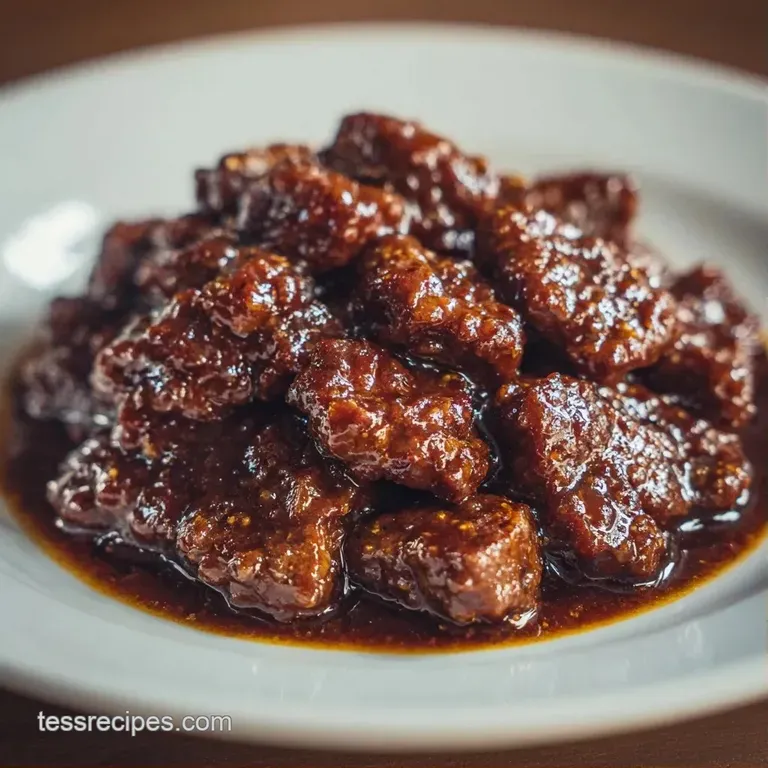
Most people struggle with texture. If your sauce looks more like a soup than a gravy, it's usually a timing issue with the flour or the simmer.
Lumpy Gravy Fix
Lumps happen when flour isn't toasted or the broth is added too quickly. If this happens, don't panic. You can whisk the sauce through a fine mesh strainer, or if you have an immersion blender, a quick 5 second pulse will smooth it right out.
Too Thin Sauce
If the sauce is too runny after the simmer, you likely didn't use enough flour or didn't simmer long enough. You can fix this by mixing 1 tsp of cornstarch with 1 tbsp of cold water (a slurry) and stirring it in. Let it bubble for 1 minute to activate.
Over Salted Sauce
Between the beef, broth, and Worcestershire, salt can sneak up on you. If it's too salty, stir in a splash of heavy cream or a pinch of sugar. The fat or sweetness helps neutralize the sodium.
| Problem | Root Cause | Solution |
|---|---|---|
| Greasy layer | Too much beef fat | Spoon off excess oil before adding flour |
| Raw flour taste | Didn't toast flour | Simmer for an extra 3-5 minutes |
| Bland flavor | Lack of acidity | Add a tiny splash of apple cider vinegar |
Common Mistakes Checklist
- ✓ Avoid crowding the pan (brown beef in batches if needed)
- ✓ Don't skip the flour toasting step
- ✓ Avoid using high heat during the simmer (prevents scorching)
- ✓ Use low sodium broth to prevent over salting
Tasty Ways to Switch It Up
Once you've got the base down, you can really play with this. I often change the herbs depending on what's in the pantry. If you're looking for something slightly more structured, my Salisbury Steak recipe uses a similar gravy base but with formed patties.
Mushroom Twist
Add 8oz of sliced cremini mushrooms at the same time as the onions. They add a meaty texture and a deeper earthiness that pairs beautifully with the beef.
Pepper Steak Style
Swap the thyme for 1 tbsp of soy sauce and add sliced green bell peppers. This gives the dish a slight Asian fusion vibe that's great over rice.
Dairy-free Option
This recipe is already mostly dairy-free, but you can swap the butter for coconut oil or a vegan butter alternative. It won't change the taste significantly.
Low Carb Swap
Instead of flour, use a mixture of 1 tbsp cornstarch and 1 tbsp almond flour. It won't be quite as glossy, but it'll keep the carbs low. If you're into super budget meals, this is a great alternative to my cheap ground beef dinner.
Saving and Reheating Leftovers
This dish actually tastes better the next day because the flavors have more time to meld.
Storage: Store in an airtight container in the fridge for up to 4 days. The gravy will thicken significantly as it cools, which is normal.
Freezing: You can freeze this for up to 3 months. I recommend freezing it in portions. When you thaw it, the texture might be slightly grainy - just stir in a tablespoon of water or broth while reheating to bring back the silkiness.
Zero Waste: Don't throw away the onion skins or the beef drippings if you have a separate pan. Save onion skins in a freezer bag to make a homemade vegetable stock later.
The Best Ways to Serve
The beauty of this recipe is its versatility. Depending on what you pair it with, it can feel like a rustic farmhouse meal or a quick weeknight fix.
Mashed Potato Base
Ground Beef and Gravy over mashed potatoes is the gold standard. The creamy potatoes soak up the sauce, creating a rich, comforting combination. I prefer skin on mashed potatoes for a bit of extra texture.
Rice or Egg Noodle Alternatives
If you want something lighter, serve it over steamed basmati rice or buttered egg noodles. The noodles act like little ribbons that catch the gravy, making every bite consistent. For a low carb option, cauliflower mash or zoodles work surprisingly well here.
Honestly, don't even bother with expensive side dishes. A simple steamed broccoli or a side of glazed carrots is all you need to balance out the richness of the beef. Trust me on this, the simplicity is what makes it work.
High in Sodium
980 mg 980 mg of sodium per serving (43% 43% of daily value)
The American Heart Association recommends a daily sodium limit of no more than 2,300 mg for most adults to reduce the risk of cardiovascular disease.
Tips to Reduce Sodium
-
Switch to Unsalted Broth-30%
Replace the low-sodium beef broth with unsalted beef broth or a homemade salt free stock to significantly cut the base sodium level.
-
Omit Added Salt-25%
Completely remove the 1 tsp of salt; the savory notes from the beef and broth provide enough seasoning.
-
Limit Worcestershire Sauce-20%
Reduce the Worcestershire sauce by half or substitute it with a dash of balsamic vinegar for a similar tangy flavor.
-
Amplify Natural Aromatics
Double the garlic and onion or add a pinch of smoked paprika to enhance the depth of flavor without adding any salt.
Recipe FAQs
How to make a gravy with ground beef?
Brown the beef and aromatics, stir in flour for 2 minutes, then slowly whisk in beef broth and seasonings. Simmer the mixture on medium low for 5-7 minutes until the gravy is glossy and coats the back of a spoon.
What is the 3 2 1 rule for gravy?
It refers to a general ratio of fat, flour, and liquid used to control sauce thickness. This specific recipe balances butter, flour, and beef broth to create a rich, savory consistency.
Can I have gravy with Ckd?
Consult your doctor first. The salt and beef broth used in this recipe are high in sodium, which may not be suitable for a renal diet.
Can you eat gravy with diabetes?
Yes, but monitor your portions. The all-purpose flour used to thicken the gravy adds carbohydrates that can impact blood glucose levels.
What's Your Favorite Ground Beef Dinner?
Ground beef and gravy served over mashed potatoes. This classic pairing creates a comforting, hearty meal that maximizes the savory flavor of the sauce.
What dinner can I make with ground beef?
Prepare this beef and gravy and serve it over steamed rice or noodles. It is a quick, one-pan solution for a filling and budget friendly dinner.
Why is my ground beef gravy lumpy?
The beef broth was likely poured in too quickly. Pour the liquid in slowly while whisking or stirring vigorously to ensure the flour incorporates smoothly.
Ground Beef And Gravy