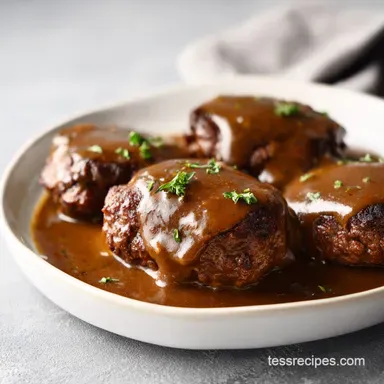
Salisbury Steak Recipe with Brown Gravy: Tender and Juicy
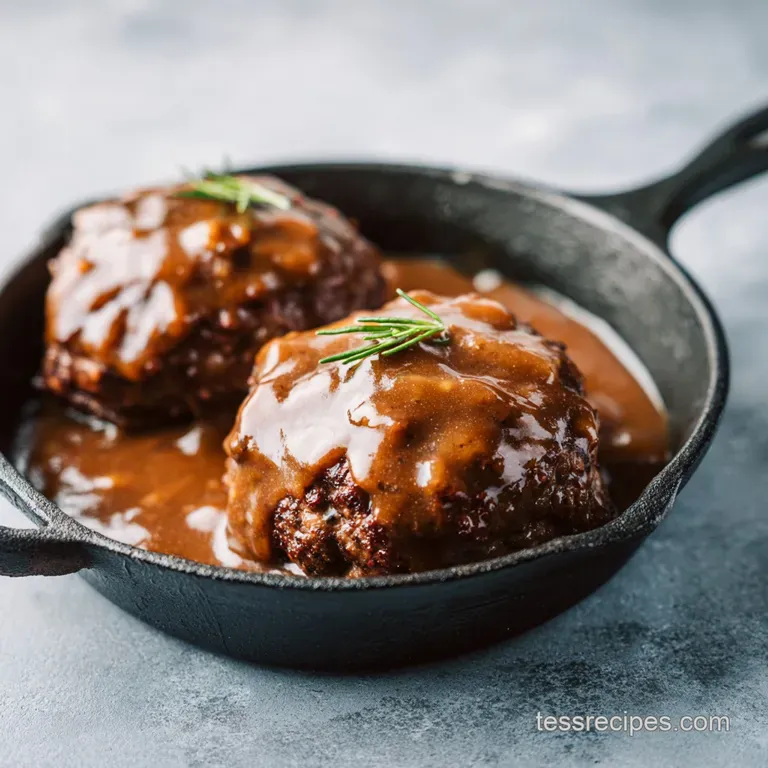
- Time: 10 min prep + 20 min cook = Total 30 min
- Flavor/Texture Hook: Velvety, rich gravy and tender, savory beef
- Perfect for: Heartwarming weeknight dinner or nostalgic family gathering
- Easy salisbury steak recipe with brown gravy
- Secrets of the savory sear
- Component Analysis
- The pantry list
- Step by step cooking
- Fixing common mistakes
- Troubleshooting Common Issues
- Adjusting the portion size
- Busting kitchen myths
- Keeping and reusing leftovers
- Best side dish pairings
- Recipe FAQs
- 📝 Recipe Card
That loud, aggressive sizzle when the meat hits the hot cast iron is the best sound in the world. But for a long time, my Salisbury steak was a disaster. I used to treat the beef like I was kneading bread, mixing it until it was a tight, dense ball. The result?
Rubbery, tough patties that felt more like hockey pucks than a comforting dinner. They were dry, tasteless, and totally lacked that melt in-your mouth quality that makes this dish so special.
The secret is actually in doing less. I learned that if you just barely combine the ingredients, the meat stays loose and tender. When you overwork ground beef, you develop too much myosin, which makes the proteins bond too tightly.
By mixing gently, we keep those pockets of air and fat, ensuring every bite is heartwarming and juicy.
This salisbury steak recipe with brown gravy is my targeted fix for those tough patties. We're building flavors in layers, starting with a deep brown crust on the beef, then using those leftover browned bits to create a rich, glossy sauce.
It's a classic, love filled meal that brings back memories of Sunday dinners at grandma's house, but with a few professional tricks to make sure it turns out right every single time.
Easy salisbury steak recipe with brown gravy
The magic here is all about the "fond," those little caramelized brown bits stuck to the bottom of the pan after searing the meat. If you wash your pan before making the gravy, you're throwing away the best part of the meal.
We use the butter and onions to deglaze the pan, pulling all that concentrated beef flavor back into the sauce.
The texture of the patty is just as important as the taste. By using an 80/20 blend of beef, we ensure there's enough fat to keep the meat moist during the sear. According to USDA FoodData, the fat content in ground beef is what carries the majority of the flavor and prevents the meat from drying out under high heat.
If you're in the mood for a different kind of beefy comfort, my Smash Burger recipe uses a similar searing technique but with a completely different vibe. While burgers are all about the char, this dish is about the marriage between the meat and the velvet smooth gravy.
Secrets of the savory sear
The goal here isn't just to cook the meat, but to create a flavor base. When we sear the beef, we're creating a crust that adds a deep, nutty dimension to the dish. This isn't about sealing in juices, but about adding complexity.
- Protein Relaxation
- Gentle mixing prevents the beef from becoming tough and rubbery.
- Fat Rendering
- The 80/20 beef releases fat that fries the outside of the patty.
- Starch Thickening
- Flour coats the onions and beef fats to create a stable, thick sauce.
- Umami Layering
- Worcestershire and ketchup add acidity and depth to the beef broth.
| Approach | Texture | Flavor Depth | Prep Effort |
|---|---|---|---|
| Fresh Scratch | Velvety & Tender | Deep, layered umami | Moderate |
| Gravy Packet | Thinner/Salty | One dimensional | Low |
| Slow Cooker | Very Soft | Muted sear flavor | Low |
The difference between a scratch made sauce and a packet is mostly in the "body" of the gravy. A homemade version has a richness that comes from the butter and the browned meat bits, whereas packets often rely on cornstarch and salt for thickness.
Component Analysis
Understanding how each ingredient contributes to the final dish helps you make better choices in the kitchen. It's not just a list of items, but a system of flavors.
| Ingredient | Science Role | Pro Secret |
|---|---|---|
| Ground Beef (80/20) | Primary structure & fat | Don't overmix or it gets rubbery |
| Breadcrumbs | Moisture retainer | Use panko for a lighter texture |
| Beaten Egg | Protein binder | Keeps the patty from falling apart |
| Beef Broth | Liquid base | Use low sodium to control salt |
The combination of the egg and breadcrumbs creates a "panade," which is a classic technique used in meatballs and meatloaf. This mixture prevents the meat proteins from bonding too tightly, which is why the patties stay tender even after simmering in the gravy.
The pantry list
Gather everything before you start. There's nothing worse than realizing you're out of Worcestershire sauce halfway through the sear.
For the beef patties:
- 1 lb ground beef (80/20 blend)Why this? Balance of flavor and moisture
- 1/4 cup plain breadcrumbs (Substitute: Panko for a lighter bite)
- 1 large egg, beaten (Substitute: 1/4 cup unsweetened applesauce for moisture)
- 1 tbsp Worcestershire sauce (Substitute: Soy sauce for a salty kick)
- 1/2 tsp garlic powder (Substitute: 1 clove minced fresh garlic)
- 1/2 tsp salt (Substitute: Kosher salt)
- 1/4 tsp black pepper (Substitute: White pepper)
For the savory brown gravy:
- 2 tbsp unsalted butter (Substitute: Olive oil, but less richness)
- 1 medium yellow onion, thinly sliced (Substitute: White onion or shallots)
- 2 tbsp all purpose flour (Substitute: Cornstarch, but adjust ratio)
- 2 cups beef broth (Substitute: Veal stock for more luxury)
- 1 tbsp Worcestershire sauce (Substitute: Soy sauce)
- 1 tbsp ketchup (Substitute: Tomato paste + pinch of sugar)
- 1/4 tsp black pepper (Substitute: Cracked black pepper)
Step by step cooking
Now, let's get into the rhythm of the dish. Take your time with the sear, as this is where the flavor is born.
Combine ground beef, breadcrumbs, beaten egg, 1 tablespoon Worcestershire sauce, garlic powder, salt, and pepper in a bowl. Mix gently by hand until just combined. Note: Stop mixing the second you don't see streaks of egg.
Shape the mixture into 4 oval patties, approximately 3/4 inch thick. Note: Press a small indentation in the center to prevent them from bulging.
Heat a 12 inch skillet over medium high heat and sear the patties for 3-4 minutes per side until a deep brown crust forms. Remove patties and set aside on a plate.
Reduce heat to medium and add butter to the same pan. Sauté sliced onions until translucent and golden brown.
Sprinkle in flour and whisk for 1 minute until the raw flour smell disappears, scraping up the brown bits (fond) from the bottom of the pan.
Slowly whisk in beef broth, the remaining tablespoon of Worcestershire sauce, and ketchup. Stir constantly until the sauce thickens and looks glossy.
Return the patties and any accumulated juices to the pan. Simmer for 5-7 minutes until the beef is cooked through.
Let the meat rest in the gravy for 2 minutes before serving. Note: This allows the juices to redistribute.
Fixing common mistakes
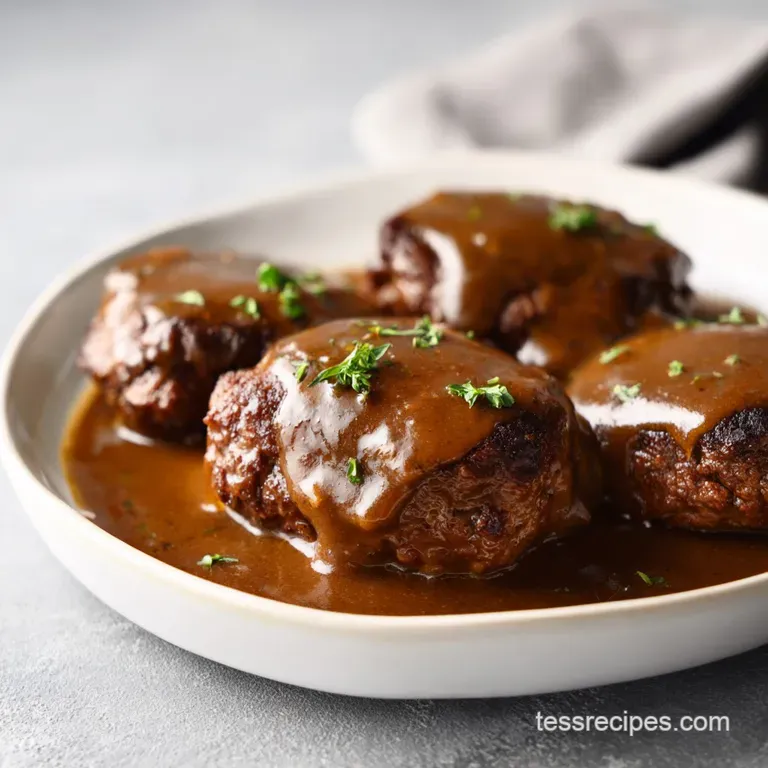
Even the most experienced cooks have those days where the gravy doesn't behave. The most common issue is a sauce that feels more like a paste than a glaze.
Troubleshooting Common Issues
| Issue | Solution |
|---|---|
| Why Your Gravy Is Lumpy | Lumps happen when the flour isn't fully integrated into the fat or when the broth is added too quickly. If the flour clumps, it creates little "dough balls" that won't dissolve. To fix this, you can w |
| Why Your Patties Shrink | If your patties are shrinking or falling apart, it's usually because the meat wasn't chilled or was over handled. Cold meat holds its shape better. If they shrink too much, try chilling the formed pat |
| Why Your Beef Is Tough | As mentioned before, over mixing is the enemy. If the beef feels like a rubber ball, you've worked the proteins too much. Next time, use a fork to gently fold the ingredients together rather than sque |
- ✓ Use a heavy bottomed skillet to avoid hot spots.
- ✓ Pat the beef dry before searing for a better crust.
- ✓ Don't crowd the pan; sear in batches if needed.
- ✓ Use a whisk for the gravy, not a spoon.
- ✓ Let the butter foam before adding the onions.
Adjusting the portion size
Making this for a crowd or just for yourself requires a few tweaks to the heat and timing. You can't just multiply everything and expect the pan to behave the same way.
Scaling Down (1-2 servings): Use a smaller 8 inch skillet. Reduce the beef broth by half and the flour to 1 tablespoon. Since there's less mass in the pan, the gravy will thicken about 20% faster, so keep a close eye on it. Beat one egg in a small bowl and only use half of it.
Scaling Up (8+ servings): Work in batches for the searing. If you crowd the pan, the meat will steam instead of sear, and you'll lose that crust. When making a double batch of gravy, only increase the salt and spices to 1.5x instead of 2x, as flavors concentrate during the simmer.
Reduce the total beef broth by about 10% to maintain a thick consistency.
Decision Shortcut:
- Want a richer gravy? Add a splash of red wine after the onions.
- Want softer patties? Use panko instead of traditional breadcrumbs.
- Want more depth? Brown the meat for an extra minute per side.
Busting kitchen myths
There are a few things people say about meat that just aren't true. Let's clear those up so you can cook with confidence.
Myth: Searing seals in the juices. Truth: Searing doesn't create a waterproof barrier. Moisture loss happens throughout the cooking process. The sear is actually about the flavor created by browning the proteins, not about keeping the meat moist.
Myth: You need a fancy cast iron pan for this. Truth: While cast iron is great for heat retention, any heavy skillet (like stainless steel) works perfectly. The key is the temperature of the pan, not the material.
Myth: Adding milk to the gravy makes it "brown." Truth: Milk makes the gravy a "country gravy" (white/cream). For a true brown gravy, you need the combination of beef broth and the caramelized bits from the meat.
Keeping and reusing leftovers
This dish actually tastes better the next day because the meat has more time to absorb the savory notes of the gravy.
Storage Guidelines: Store the patties and gravy together in an airtight container in the fridge for up to 3 days. The gravy acts as a natural preservative, keeping the meat from drying out. In the freezer, this lasts about 2 months.
I recommend freezing the patties separately from the gravy to avoid a mushy texture.
Zero Waste Tips: If you have leftover gravy, don't toss it. Use it as a base for a poutine or pour it over mashed potatoes for a quick lunch. If you have leftover onion scraps from the prep, toss them into your next stock pot.
Since we're using a whole onion, you can save the skins and boil them with other veggie scraps to make a homemade brown stock.
Best side dish pairings
Because this salisbury steak recipe with brown gravy is so rich and savory, you need sides that provide a bit of contrast either something bright and acidic or something creamy and neutral.
Mashed potatoes are the classic choice because they act like a sponge for that velvety gravy. If you want something a bit lighter, steamed green beans with a squeeze of lemon juice cut through the richness of the beef perfectly.
For those who love a complete comfort feast, this pairs beautifully with a side of buttered egg noodles.
Since this is a heavy meal, you might want something creamy but different for your next dinner, like this Chicken Spaghetti. Both are heartwarming, but the spaghetti offers a different kind of nostalgic comfort. Trust me, serving this steak with a side of crisp, roasted carrots makes the plate look and taste like it came from a professional kitchen, but it still feels like home.
Recipe FAQs
What is the secret to a juicy Salisbury steak?
Avoid over mixing the beef. Mix ingredients gently by hand until just combined to prevent the meat from becoming dense and tough.
What is the best gravy for Salisbury steak?
A savory brown gravy made with beef broth, Worcestershire sauce, and ketchup. This specific combination creates the classic glossy finish and rich, balanced taste.
What gives Salisbury steak its distinct flavor?
The combination of Worcestershire sauce and a deep sear. Searing the patties creates a caramelized brown crust that adds depth to the final gravy.
What's the difference between Salisbury steak and hamburger and gravy?
The addition of binders like breadcrumbs and egg. These ingredients create a tender, uniform texture rather than a loose crumble. If you enjoyed mastering the balance of savory elements here, see how we build deep flavor profiles in our Sausage Gumbo.
Why is my gravy lumpy?
The flour wasn't fully integrated into the butter or the broth was added too quickly. Whisk the flour for one minute to cook it out before slowly stirring in the beef broth.
How to prevent the patties from shrinking?
Chill the formed patties before searing. Cold meat holds its shape significantly better and prevents the proteins from contracting too rapidly in the pan.
Why is my beef tough?
The meat was likely over handled during the mixing process. Over working the ground beef develops too much protein structure, which results in a rubbery consistency.
Salisbury Steak with Brown Gravy: Tender