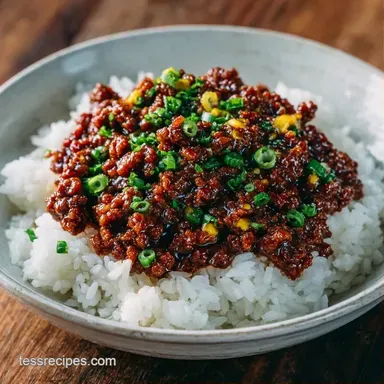
Korean Ground Beef Bowl: Easy and Healthy
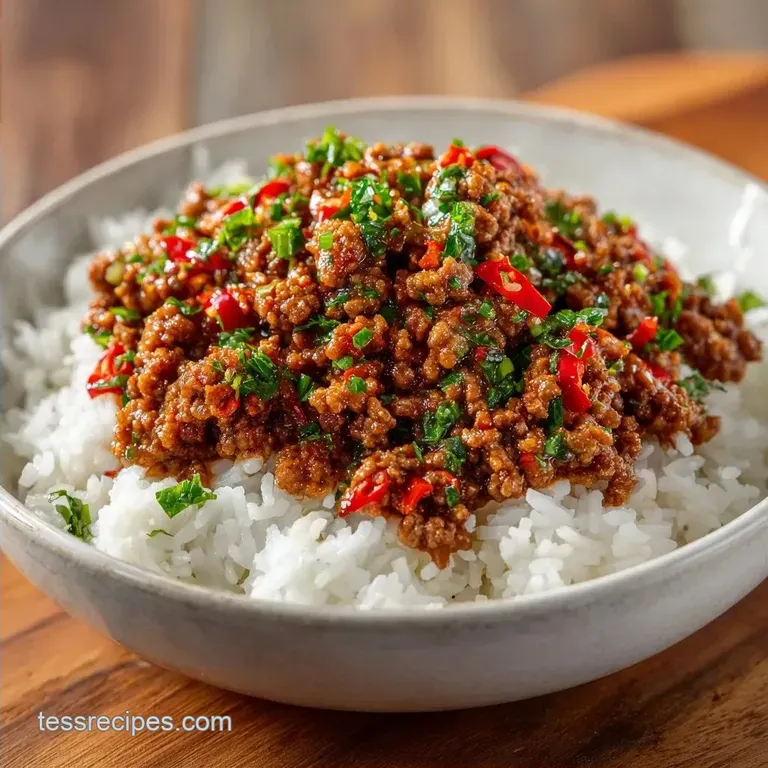
- Time: 10 min prep + 20 min cook
- Flavor/Texture Hook: Hearty, savory sweet glaze with a shatter crisp beef texture
- Perfect for: Weeknight dinners, budget meal prep, or beginners
That sharp, spicy scent of gochujang hitting a hot pan is honestly my favorite smell in the kitchen. It's that immediate transition from raw aromatics to a rich, caramelized aroma that tells you dinner is actually going to be good.
I used to think you needed expensive ribeye or hours of soaking meat in a marinade to get that authentic Korean flavor profile, but honestly, that's just a myth.
The secret is actually using ground beef. Because it has so much more surface area than a steak, you get way more browning and a much heartier feel. I remember the first time I swapped sliced beef for ground beef in a bowl like this, and it totally changed the game.
The sauce doesn't just sit on top; it wraps around every single little crumbles of meat, making it feel more like a treat and less like a "budget" meal.
You can expect a meal that's salty, sweet, and a bit spicy, all balanced out by the nuttiness of brown rice and the crunch of fresh veggies. It's the kind of meal that feels like you spent an hour on it, but you'll actually be sitting down to eat in about 30 minutes. Let's get into how to make this Korean Ground Beef Bowl a regular in your rotation.
Easy Korean Ground Beef Bowl Recipe
Right then, let's talk about why this specific approach works so well. Most people make the mistake of boiling their meat in its own juices, which leaves you with gray, sad beef. To make a great Korean Ground Beef Bowl, we're focusing on the sear.
We want that beef to actually fry in the pan for a few minutes before the sauce goes in.
When you let the beef get those dark, crispy bits, you're creating a base of flavor that the gochujang and soy sauce can latch onto. It transforms the dish from a simple stir fry into something that feels rich and satisfying.
Plus, using brown rice adds a chewy texture that stands up to the heavy glaze, so the whole bowl doesn't just turn into mush.
If you're looking for other ways to use your pantry staples, you might enjoy a Ground Beef Rice Skillet for a different one pan vibe. But for that specific Korean inspired punch, this beef bowl is the way to go. It's all about balancing the heat of the fermented pepper paste with the sweetness of honey.
Why This Beef Works
Instead of a science lecture, here is what's actually happening in your skillet to make this taste so good.
- Surface Area: Ground beef has way more edges than sliced meat, meaning more parts of the beef hit the pan and get crispy.
- Sugar Caramelization: The honey and gochujang contain sugars that thicken and darken as the water evaporates, creating that velvety glaze.
- Aromatic Bloom: Sautéing garlic and ginger in oil before adding liquids "wakes up" their flavors, making them taste more pungent and less raw.
- Salt Balance: The soy sauce provides the salt, while the rice vinegar cuts through the fat of the beef, keeping the dish from feeling too heavy.
Between the stovetop and the oven, you have choices, but for this specific dish, the pan is king.
| Method | Time | Texture | Best For |
|---|---|---|---|
| Stovetop | 20 mins | Crispy edges, glossy glaze | Maximum flavor and speed |
| Oven Baked | 35 mins | Uniformly cooked, softer | Large crowds/hands off |
Using a skillet allows you to control the reduction of the sauce in real time, which is the only way to get that specific sticky consistency.
Your Essential Ingredients
When it comes to this Korean Ground Beef Bowl, the quality of your paste matters. Gochujang isn't just "spicy"; it's fermented, which gives it a depth that sriracha or hot sauce can't touch. According to Serious Eats, fermented pastes provide a layer of umami that mimics the taste of slow cooked meats.
| Ingredient | Science Role | Pro Secret |
|---|---|---|
| Lean Ground Beef | Protein Base | Don't over mix; let it clump slightly for texture |
| Gochujang | Umami & Heat | Store in the fridge to keep the fermentation stable |
| Honey | Glaze Agent | Use a mild honey to avoid overpowering the ginger |
| Rice Vinegar | Acid Balance | Adds a "brightness" that prevents the beef from tasting oily |
For the Protein & Aromatics
- 1 lb lean ground beef (90% lean or higher) Why this? Less grease means the glaze sticks better.
- 3 cloves garlic, minced Why this? Fresh is non negotiable for the punchy flavor.
- 1 tbsp fresh ginger, grated Why this? Adds a zesty, warm contrast to the beef.
- 1 tbsp avocado oil Why this? High smoke point so it doesn't burn.
- Swap: Grapeseed oil or Canola oil.
For the Gochujang Glaze
- 2 tbsp gochujang Why this? The heart of the Korean flavor profile.
- Swap: Miso paste + Sriracha (though it'll be less sweet).
- 3 tbsp low sodium soy sauce Why this? Controls the salt levels better.
- Swap: Tamari or Coconut Aminos.
- 1 tbsp toasted sesame oil Why this? Adds a nutty, toasted aroma.
- Swap: Peanut oil (will lose the specific nuttiness).
- 1 tbsp honey Why this? Creates the sticky, glossy finish.
- Swap: Maple syrup or Brown sugar.
- 1 tsp rice vinegar Why this? Cuts through the richness of the beef.
- Swap: Apple cider vinegar.
For the Bowl Base & Veggies
- 3 cups cooked brown rice Why this? Hearty texture and more fiber.
- Swap: Jasmine rice or Quinoa.
- 2 cups shredded carrots Why this? Adds a fresh, sweet crunch.
- Swap: Shredded cabbage or Daikon radish.
- 2 cups steamed broccoli florets Why this? Absorbs the extra sauce beautifully.
- Swap: Snap peas or Bok choy.
- 3 stalks green onions, sliced Why this? Fresh onion bite to finish it off.
- 1 tbsp toasted sesame seeds Why this? Adds a final layer of crunch.
Tools You'll Need
You don't need a professional kitchen for this, but a few specific tools make it easier. I always use a heavy bottomed skillet cast iron is great, but stainless steel works too. The goal is a pan that holds heat so the beef doesn't just steam.
You'll also want a wooden spoon or a sturdy spatula. You need something that can scrape the bottom of the pan to get those "brown bits" (the fond) incorporated back into the sauce. If you have a small whisk, use it for the glaze mixture to make sure the honey is fully blended with the soy sauce.
Cooking Steps
Let's crack on. Follow these steps and pay attention to the sensory cues that's how you'll know you're on the right track.
- Heat the oil. Place your avocado oil in a large skillet over medium high heat until it shimmers and almost wisps smoke. Note: This ensures the beef sears immediately instead of sticking.
- Brown the beef. Add the ground beef, breaking it apart with a wooden spoon. Cook for about 7-10 mins until the meat is deeply browned and you hear a distinct sizzle. Drain any excess fat if you're using a lower lean percentage.
- Add aromatics. Stir in the minced garlic and grated ginger. Sauté for 60 90 seconds until the garlic looks golden and the kitchen smells fragrant.
- Prepare glaze. While the garlic cooks, whisk together the gochujang, soy sauce, sesame oil, honey, and rice vinegar in a small bowl.
- Glaze the meat. Pour the mixture into the skillet. Stir constantly for 2–3 minutes until the sauce bubbles and thickens into a glossy, sticky glaze that coats the beef.
- Base the bowls. Divide the 3 cups of cooked brown rice evenly among four bowls.
- Add toppings. Top the rice with the glazed beef, steamed broccoli, and shredded carrots.
- Final garnish. Sprinkle each bowl with sliced green onions and toasted sesame seeds for a professional finish.
Chef's Note: If you want a little extra kick, add a pinch of red pepper flakes during the garlic step. It adds a different kind of heat that complements the fermented funk of the gochujang.
Troubleshooting Common Issues
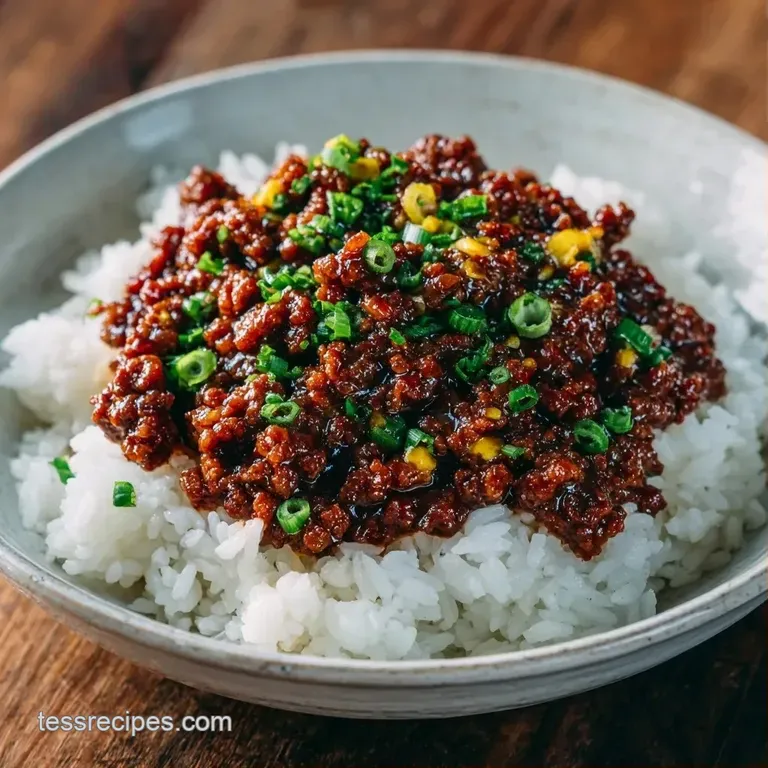
Even with a simple Korean Ground Beef Bowl, things can go sideways. Usually, it's a matter of temperature or timing.
The Beef is "Gray" Instead of Brown
This happens when you crowd the pan or use heat that's too low. The meat releases moisture, and instead of frying, it boils in its own juices. To fix this, cook the beef in two batches if your pan is small, and make sure the oil is hot before the meat hits the surface.
The Sauce is Too Spicy
Gochujang brands vary in heat. If you've accidentally made it too spicy for your taste, don't reach for water that will thin the glaze. Instead, add an extra teaspoon of honey or a splash more sesame oil. The fat and sugar neutralize the capsaicin.
The Glaze is Too Thin
If your sauce is runny and not sticking to the beef, you likely didn't simmer it long enough. Keep stirring over medium high heat for another 60 seconds. The honey needs to reach a certain temperature to reduce and become "tacky."
| Problem | Root Cause | Solution |
|---|---|---|
| Gray Meat | Pan too crowded/low heat | Cook in batches; increase heat |
| Too Spicy | Gochujang intensity | Add honey or sesame oil |
| Runny Sauce | Not enough reduction | Simmer 1-2 mins longer |
Common Mistakes Checklist:
- ✓ Don't add the garlic too early, or it will burn before the beef is brown.
- ✓ Don't skip the rice vinegar; without it, the dish tastes "flat."
- ✓ Don't use "low-fat" soy sauce stick to low sodium for better flavor control.
- ✓ Don't overcook the broccoli; keep it bright green for visual contrast.
- ✓ Don't forget to toast the sesame seeds if they aren't pre toasted.
Smart Ingredient Swaps
Depending on what you have in the fridge, you can tweak this recipe without ruining the vibe. Since this is a budget smart dish, don't feel like you have to run to a specialty store for every single item.
If you're looking for something even more budget friendly, this is similar to my Cheap Ground Beef Dinner, but with a specific flavor profile. The key is keeping the balance of salty, sweet, and spicy.
Low Carb/Keto Swap
If you're avoiding rice, swap the brown rice for cauliflower rice or shredded cabbage. Use a monk fruit sweetener or a touch of stevia instead of honey. Note: The sauce will be thinner without the honey's natural thickness, so you may need to simmer it a bit longer.
Plant Based Version
You can use 1 lb of crumbled tempeh or a plant based ground beef alternative. Treat it the same way sear it until crispy before adding the glaze. Tempeh actually works great here because its fermented nature pairs well with the gochujang.
Extra Zesty Twist
Add a teaspoon of freshly grated lime zest and a squeeze of lime juice at the very end. This adds a citrusy top note that cuts through the richness of the beef and sesame oil, making the bowl feel lighter and more "spring like."
Nut Free Crunch
If you can't do sesame seeds, toasted sunflower seeds or slivered almonds provide a similar crunch. Note: You'll lose that classic toasted sesame aroma, but the texture remains.
Scaling Your Beef Bowls
Making this for a crowd? It's easy, but you can't just multiply everything by four and expect it to work the same way.
Scaling Down (½ Batch): Use a smaller skillet (about 10 inches). You'll find the beef browns faster because there's more room in the pan. Reduce your cooking time for the glaze by about 30 seconds, as there's less liquid to evaporate.
Scaling Up (2x-4x Batch): This is where most people mess up. If you put 4 lbs of beef in one pan, it will definitely turn gray and boil. Work in batches. Brown 1 lb at a time, remove it from the pan, and then combine everything at the end when you add the glaze.
For the sauce, only increase the salt and spices to 1.5x the original amount first, then taste. Too much soy sauce can make a large batch overwhelmingly salty. Reduce the liquids by about 10% overall to ensure the glaze still thickens properly.
Truth About Beef Bowl Myths
There are a few things people tell you about Korean beef that just aren't true. Let's clear those up.
First, the idea that you must marinate the meat for 24 hours to get "deep" flavor. While marinating is great for steaks, ground beef is different. The high surface area allows the sauce to penetrate almost instantly. A 3 minute glaze reduction is more than enough for this recipe.
Second, some say you need a wok to get the "correct" stir fry texture. While a wok is great for heat distribution, a heavy stainless steel or cast iron skillet does the job perfectly for ground beef. You aren't tossing the meat in the air; you're searing it, so the flat bottom of a skillet is actually an advantage.
Storage and Reheating
This Korean Ground Beef Bowl is actually better the next day because the flavors have more time to meld together.
Fridge Storage: Store the beef and the rice/veggies in separate airtight containers. If you mix them all together, the rice will absorb all the glaze, and you'll end up with a mushy texture. The beef will stay fresh for 3-4 days in the fridge.
Freezer Instructions: The glazed beef freezes beautifully. Let it cool completely, then freeze in a freezer safe bag for up to 3 months. I don't recommend freezing the cooked brown rice or the fresh carrots, as the texture becomes grainy and limp.
The Perfect Reheat: To avoid "dry beef," don't just zap it in the microwave on high. Add a tiny splash of water or a teaspoon of soy sauce to the beef before reheating. This creates a bit of steam that loosens the glaze and makes it velvety again.
Heat on medium for 2 minutes, or toss it back in a skillet for 3 minutes over medium heat.
Zero Waste Tips: Don't throw away your broccoli stems! Peel the woody outer layer, slice the inner core into thin coins, and sauté them right along with the beef. They have a great crunch and soak up the gochujang sauce perfectly.
Also, any leftover green onion ends can be frozen in a small container and thrown into your next soup or stock for a hit of allium flavor.
Best Ways to Serve
While brown rice is the standard for a healthy Korean Ground Beef Bowl, you can get creative with the presentation to make it feel more like a restaurant dish.
Try adding a jammy soft boiled egg on top. The runny yolk mixes with the spicy gochujang glaze to create a creamy, rich sauce that's absolutely incredible. If you have some kimchi in the fridge, add a pile of it on the side.
The cold, fermented crunch of the kimchi provides a perfect temperature and taste contrast to the hot, sweet beef.
For those who want something a bit more "fresh," serve the beef inside large lettuce wraps (like Romaine or Butter lettuce) instead of over rice. This turns it into a lighter appetizer or lunch that's just as satisfying but feels much crispier.
Top it with a few extra sesame seeds and a drizzle of sriracha if you're feeling bold.
Recipe FAQs
What is a Korean ground beef bowl called?
It is a simplified version of Bulgogi. While traditional Bulgogi uses thinly sliced ribeye, this version uses ground beef to create a faster, more affordable meal with similar flavors.
What to put in a Korean beef bowl?
Combine glazed ground beef with brown rice and fresh vegetables. Use steamed broccoli and shredded carrots, then garnish with sliced green onions and toasted sesame seeds.
What is a bulgogi beef bowl?
A dish featuring marinated beef served over a bed of rice. This specific recipe adapts the classic sweet and savory profile using gochujang, honey, and sesame oil.
How to get the ground beef crispy?
Heat avocado oil in a large skillet over medium high heat. Add the beef and break it apart with a wooden spoon, cooking until browned and crispy before adding aromatics.
Can I store the assembled bowls together in the fridge?
No, store the beef and rice in separate airtight containers. Mixing them allows the rice to absorb all the glaze, which results in a mushy texture.
Is it true that the glaze prevents the beef from being frozen?
No, this is a common misconception. The glazed beef freezes beautifully for up to 3 months in a freezer safe bag, provided it is cooled completely first.
What other quick dinner can I make with ground beef?
Try a creamy pasta based casserole. If you enjoyed mastering the 30-minute meal timeline here, see how we apply that same efficiency to our creamy casserole.
Korean Ground Beef Bowl